
Anime fans love powerful finales. A great ending can turn a good series into a masterpiece. But sometimes, what we see on screen isn’t the ending the creators originally planned. Over the years, changed anime endings have become one of the most debated topics in the community. From sudden tonal shifts to completely original story conclusions, these last-minute changes have shocked, confused, and sometimes even divided entire fandoms.
Changed anime endings usually happen for many reasons. Sometimes the manga isn’t finished yet. Sometimes studios run out of episodes. Other times, creative differences or production pressure force a new direction. Whatever the reason, these altered finales often leave a strong impact. In this blog, we’ll explore some of the most famous cases of changed anime endings, why they happened, and how they affected anime history.
Why Do Changed Anime Endings Happen?
Before jumping into examples, it’s important to understand why changed anime endings even exist.
One of the biggest reasons is pacing. Anime adaptations often catch up to their source material. When a manga is still ongoing but the anime has a fixed episode order, studios face a tough decision. They either create filler arcs or design an original ending. Many times, this results in changed anime endings that feel rushed or disconnected from the manga.
Another reason is budget and production deadlines. Anime production is extremely demanding. Studios operate under tight schedules, and sometimes there isn’t enough time to properly adapt complex arcs. When deadlines approach, the creative team may choose to wrap things up quickly, leading to sudden or controversial endings.
Creative experimentation also plays a role. Some directors want to put their own spin on the story. In certain cases, these changed anime endings become artistic statements rather than faithful adaptations. But that creative freedom doesn’t always sit well with fans who were expecting something else.
Fullmetal Alchemist (2003) and the Cost of Catching Up
One of the most famous examples of changed anime endings is Fullmetal Alchemist (2003). The original anime began airing before the manga by Hiromu Arakawa was finished. As the anime quickly caught up to the manga, the studio had to create an original storyline.
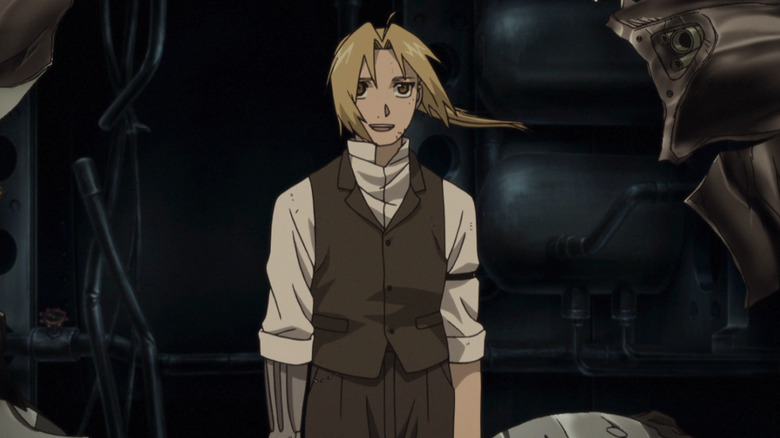
The result was a drastically different conclusion compared to what fans later saw in Fullmetal Alchemist: Brotherhood. The 2003 version explored darker philosophical themes and ended in a completely unexpected way, even leading to a sequel film, Conqueror of Shamballa.
While some fans appreciated the bold storytelling, others felt betrayed because the ending did not match the manga’s vision. This is a perfect example of how changed anime endings can split audiences. Interestingly, the existence of two different adaptations created two separate fan camps, both defending their preferred ending.
In hindsight, the 2003 ending feels more experimental and tragic, while Brotherhood feels more complete and satisfying. Both are respected today, but the debate around changed anime endings started becoming louder after this case.
Neon Genesis Evangelion and the Ending That Confused a Generation
Another legendary case of changed anime endings comes from Neon Genesis Evangelion. When the original series aired in 1995, its final two episodes were radically different from what fans expected.
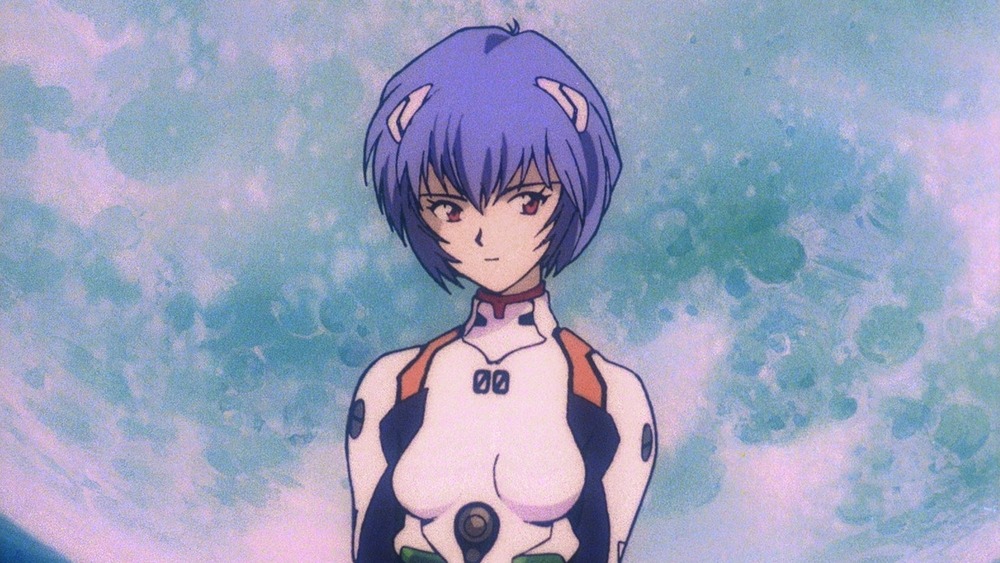
Instead of delivering a traditional climax, the show shifted into a psychological and abstract exploration of the protagonist’s mind. Budget constraints and production issues reportedly influenced this creative direction. The minimal animation style and heavy internal monologues left many viewers confused and even angry.
The backlash was intense. Fans demanded a clearer ending. In response, the creators released The End of Evangelion, a film that reimagined the finale with more action and closure.
This situation is fascinating because it shows how changed anime endings can evolve over time. The original ending was once heavily criticized, but today it is studied as a bold artistic move. Meanwhile, the movie version offered the explosive spectacle many fans wanted.
Evangelion proves that changed anime endings aren’t always mistakes. Sometimes they are products of creative risk under pressure.
Tokyo Ghoul and the Problem of Rushed Adaptations
If there is one modern example fans frequently mention when discussing changed anime endings, it is Tokyo Ghoul. The first season was widely praised for its dark tone and emotional depth. However, season two, titled Tokyo Ghoul √A, took a dramatically different path from the manga.
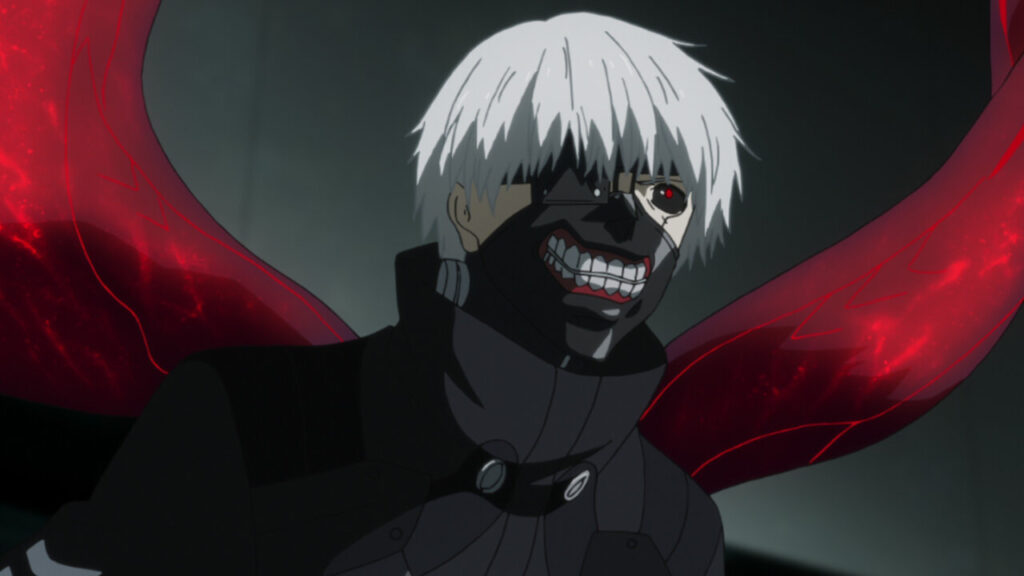
Instead of faithfully adapting the manga, the anime created an original storyline. This led to confusion when later seasons tried to reconnect with the manga’s plot. Many viewers felt lost because key character developments were either skipped or altered.
The ending of Tokyo Ghoul re also felt rushed to many fans. Important emotional arcs were condensed into a short runtime, reducing the impact of major events. Here, changed anime endings were less about creativity and more about production choices and pacing problems.
The Tokyo Ghoul case highlights a major risk: when studios change too much without a clear long-term plan, the narrative can suffer. Fans often compare the anime ending with the manga and conclude that the original source delivered a stronger payoff.
When Changed Anime Endings Actually Work
Not all changed anime endings are disasters. In some cases, anime-original endings are praised for improving weak source material or offering a fresh interpretation.
For example, some older anime series were designed to have self-contained stories from the beginning, even if loosely inspired by manga. These endings feel natural because they were planned early. The issue arises when changes feel forced or last minute.
There are also times when creators use changed anime endings to explore themes that might not fit commercial expectations. Darker or more ambiguous finales sometimes face resistance initially, but over time they gain appreciation.
The truth is, an ending is emotional territory. Fans invest years into characters and storylines. When an ending shifts unexpectedly, it can feel personal. That emotional attachment explains why discussions about changed anime endings often become intense online debates.
The Business Side of Anime Endings
Beyond creativity, business decisions influence many changed anime endings. Anime production committees consist of investors, publishers, and studios. Their priority is often profitability. If a series isn’t performing as expected, it may receive fewer episodes, leading to compressed storytelling.
Merchandise sales, Blu-ray numbers, and streaming deals all impact whether an anime gets extended or wrapped up quickly. In such situations, writers must adjust the narrative to fit limited time. These adjustments frequently result in changed anime endings that feel abrupt.
Streaming platforms have slightly improved this situation by allowing split seasons and longer planning cycles. However, the pressure still exists. Anime remains a competitive industry, and not every story receives the luxury of a perfectly paced conclusion.
Why Fans Keep Searching for the Original Ending
One interesting pattern is how often fans search for explanations behind changed anime endings. Online forums, video essays, and blog posts continue to analyze what happened behind the scenes.
This curiosity is understandable. When viewers feel something was missing, they want closure. They want to know what the “real” ending was supposed to be. Manga readers often step in to clarify differences, keeping discussions alive for years.
Changed anime endings become part of anime culture itself. They spark comparison videos, rewrite fan theories, and even petitions for remakes. Fullmetal Alchemist eventually received Brotherhood. Other series might not be so lucky.
In a way, these controversial endings keep the conversation alive. A perfect ending might satisfy everyone, but a changed one creates lasting debate.
Final Thoughts: Are Changed Anime Endings Always a Bad Thing?
Changed anime endings are not automatically failures. Sometimes they result from unavoidable production realities. Sometimes they reflect bold creative choices. And occasionally, they even improve the story.
However, when changes feel rushed or disconnected, fans notice immediately. The emotional weight of a finale is enormous. It defines how a series is remembered. A strong ending can elevate everything that came before it. A weak one can overshadow years of brilliant storytelling.
The history of changed anime endings shows how complex anime production truly is. It’s not just about animation and voice acting. It’s about timing, budgets, adaptation strategies, and audience expectations.
As anime continues to grow globally, studios are becoming more careful about pacing and planning. Yet the possibility of changed anime endings will always exist. And maybe that unpredictability is part of what makes anime culture so passionate.
Because at the end of the day, fans don’t just watch anime. They live with it. And when the ending changes, it feels like history itself has been rewritten.
“An ending doesn’t just close a story. It decides how the story will be remembered.”
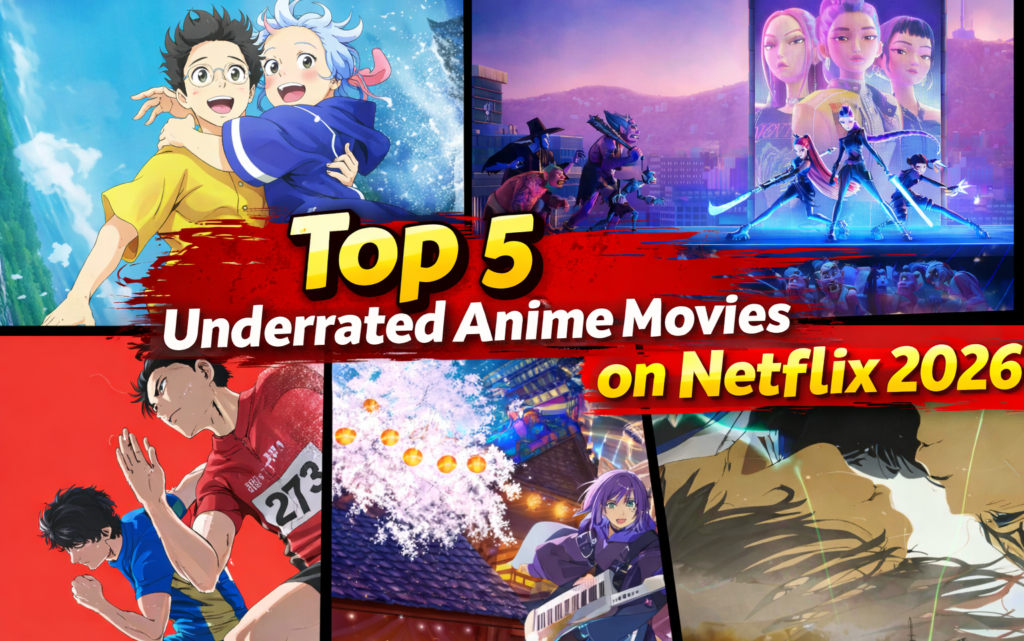
Top 5 Best Underrated Anime Movies on Netflix 2026 for Binge-Watch
If you limit yourself to just popular shows or trending anime, then honestly, you’re missing…
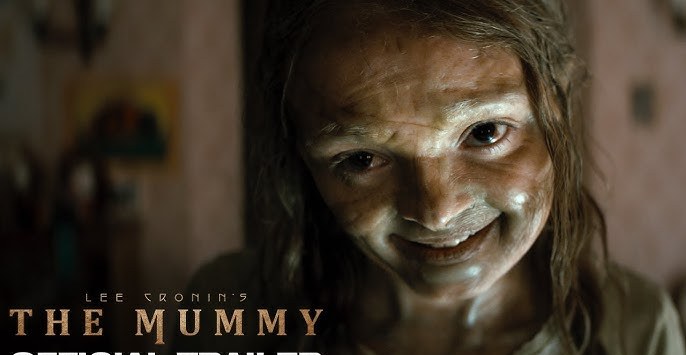
Lee Cronin’s The Mummy (2026): Practical Effects, Body Horror, And The Promise Of A Dark Reboot
Practical effects are back Ever since the first trailer for The Mummy dropped and the…
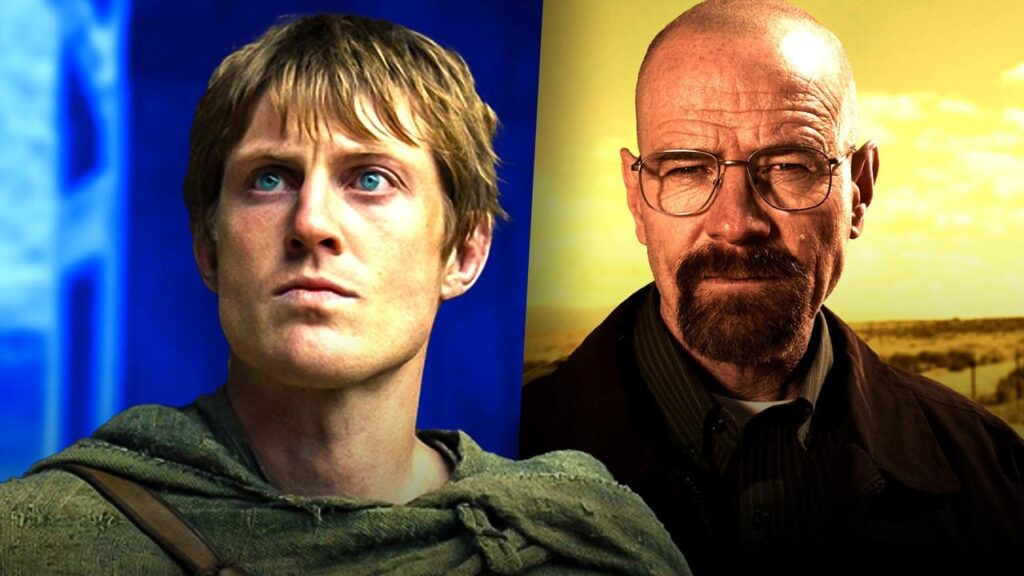
Breaking Bad vs Game of Thrones Fan War: When Review Bombing Replaces Real Fandom
The Breaking Bad vs Game of Thrones fan war has officially entered a new level…
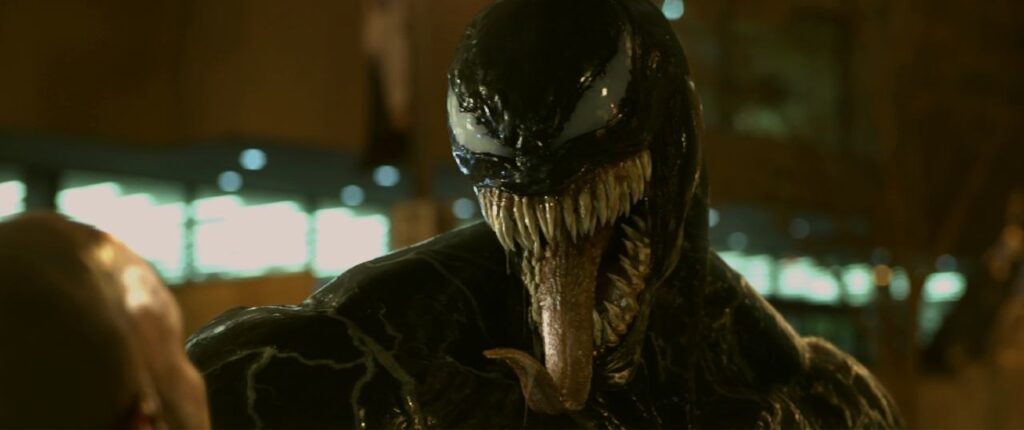
Animated Venom Movie: Sony’s R-Rated Surprise?
Animated Venom Movie: Sony’s Next Big Experiment? 2026 has begun with some exciting news for…
Mutant Mayhem 2 Release Date Update: Big News for TMNT fans!
There’s a fresh and exciting update for Teenage Mutant Ninja Turtles fans. The release planning…
Naruto Legendary Status Debate: Are New Gen Fans Understanding Naruto’s Legacy?
The Naruto legendary status debate has once again heated up in the anime community. Early…