
Practical effects are back
Ever since the first trailer for The Mummy dropped and the release date of April 17, 2026, was confirmed, one thing has become crystal clear: this reboot isn’t playing it safe. Lee Cronin has already proven he’s not a director of his comfort zone. Evil Dead Rise‘s cheese grater and blood elevator scenes made audiences literally squirm. Now, early reports and test screening buzz are suggesting that Lee Cronin’s The Mummy is taking that same practical, hands-on body horror to the next level.
This isn’t looking like just another mummy monster movie, but a grounded, gritty horror experience where you’ll find more real flesh, prosthetics, and physical pain than CGI.
The Scorpion Son: Body Horror’s Most Vile Moment?
Some blink-and-miss frames and test screening leaks from the trailer have made a particular scene go viral, which fans are calling the “scorpion scene.” According to reports, a scorpion crawls through the character’s mouth and severing his vocal cords. It sounds disturbing, and that’s exactly what Lee Cronin intended.
If you compare, the scarabs-under-the-skin scene in the 1999 Mummy was iconic, but it largely relied on 90s CGI. It was effective, but a bit fantastical. Cronin’s approach is different. The fear here is not “clean,” but organic. The claustrophobic terror created by the use of practical mouth and throat rigs never allows the audience to disconnect from the scene.
Practicality Over Pixels: Not repeating the 2017 mistake
The 2017 film The Mummy, starring Tom Cruise, was often criticized for its “weightless” CGI action. The monsters were flashy, but didn’t feel dangerous. Lee Cronin has openly distanced himself from that aesthetic. In an interview, he used the term “grounded horror,” which is core to his filmmaking DNA.
Gallons of fake blood, layered prosthetics, and physically exhausting shoots were common on the set of Evil Dead Rise. Applying this logic, the creature design of The Mummy 2026 appears more tactile and painful. Katie, the mummy figure, is not a CGI avatar of a sandstorm, but a reanimated human body that physically expresses decay and violence.
‘Poltergeist’ Meets ‘Seven’: Dark Visual Identity
Lee Cronin himself has described the film’s tone as being somewhere between Poltergeist and Se7en. What this means is clear. Forget golden Egyptian palaces and glossy adventure vibes. Here, the focus is on urban decay, dirty interiors, and unsettling realism.
Se7en’s influence suggests practical crime-scene-style makeup and grim lighting, where the horror is more psychological and physical. The Fraser-era Mummy films were bright and adventurous, but Lee Cronin’s The Mummy intentionally opts for ugly and oppressive visuals.

Is Katie a Deadite-Style Mummy?
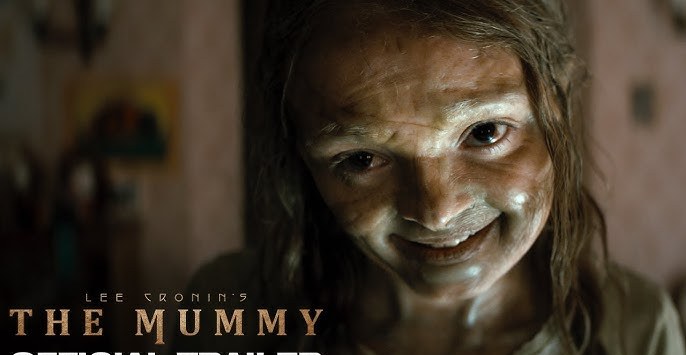
The trailer’s biggest hook is the line: “What happened to Katie?” According to the plot, a daughter returns after 8 years, but she’s not the same as before. This concept instantly brings to mind Cronin’s Evil Dead work, where reanimated characters not only appear possessed, but also physically wrong.
Katie’s character appears more like a corrupted human body than a sand monster. Actress Natalie Grace is reportedly portrayed through heavy practical makeup and prosthetic layers, similar to the Deadites in Evil Dead Rise. This approach pushes the mummy mythology more in the direction of personal tragedy and body horror than supernatural spectacle.
Conclusion: A Mummy Who Makes You Feel the Pain
Lee Cronin’s The Mummy isn’t just a reboot, it’s a statement. The film clearly states that horror is most effective when it feels real, when the audience feels the pain coming off the screen. Practical effects, grounded body horror, and Katie’s unresolved mystery make this movie a stand-out among the most anticipated horror releases of 2026.
If you’re tired of flashy CGI and want to see real, visceral horror, Lee Cronin’s The Mummy might just be the film that will remind you why practical effects are still king.

Top 5 Best Underrated Anime Movies on Netflix 2026 for Binge-Watch
If you limit yourself to just popular shows or trending anime, then honestly, you’re missing…
Lee Cronin’s The Mummy (2026): Practical Effects, Body Horror, And The Promise Of A Dark Reboot
Practical effects are back Ever since the first trailer for The Mummy dropped and the…
Breaking Bad vs Game of Thrones Fan War: When Review Bombing Replaces Real Fandom
The Breaking Bad vs Game of Thrones fan war has officially entered a new level…
Animated Venom Movie: Sony’s R-Rated Surprise?
Animated Venom Movie: Sony’s Next Big Experiment? 2026 has begun with some exciting news for…

Mutant Mayhem 2 Release Date Update: Big News for TMNT fans!
There’s a fresh and exciting update for Teenage Mutant Ninja Turtles fans. The release planning…

Naruto Legendary Status Debate: Are New Gen Fans Understanding Naruto’s Legacy?
The Naruto legendary status debate has once again heated up in the anime community. Early…